
Selecting the Perfect Air Conditioning Solution for Your Industrial Facility
- November 6, 2025
- Posted by: admin
- Category: Uncategorized
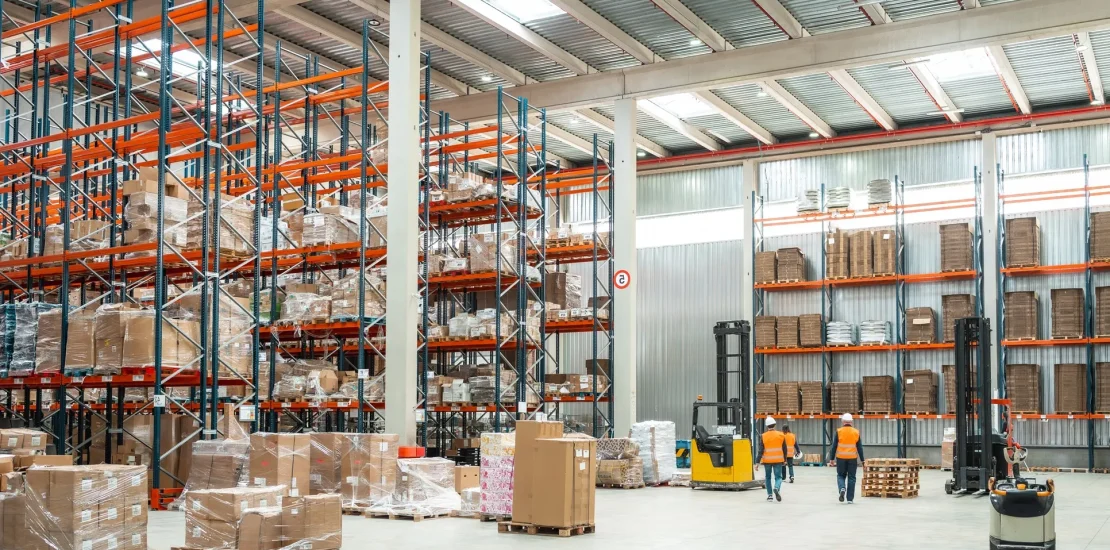
Finding the right air conditioning solution for your industrial facility can seem like a daunting task, yet it is an essential aspect of maintaining optimal operational efficiency and employee comfort. Whether you are in manufacturing, warehousing, or another sector, the climate within your facility directly impacts productivity and equipment performance. With an array of options available, understanding the unique needs of your space – such as size, layout, and specific processes – will ensure you select the perfect system. In this comprehensive guide, we will delve into key considerations, types of air conditioning systems, and expert tips to make the selection process straightforward. By the end, you will be equipped with the knowledge to confidently choose an air conditioning solution that meets your facility’s demands, ensuring a comfortable and efficient working environment for years to come. Let us dive into the vital steps to take when selecting your industrial air conditioning system!
Understanding the Importance of Air Conditioning in Industrial Facilities
Maintaining a controlled climate in an industrial facility is crucial for various reasons. Firstly, temperature regulation directly impacts the health and safety of employees. In high-temperature environments, workers are at risk of heat stress and related illnesses, which can reduce their productivity and increase absenteeism. A reliable air conditioning system can mitigate these risks, providing a comfortable working environment that promotes well-being and efficiency.
Secondly, the performance of machinery and equipment is highly dependent on the ambient temperature. Overheating can lead to equipment failure, resulting in costly downtime and repairs. In some industries, specific processes require precise temperature control to maintain product quality and consistency. For instance, in the food processing industry, stringent temperature standards must be met to ensure safety and compliance with regulations.
Lastly, effective air conditioning contributes to the overall energy efficiency of the facility. Professionally designed systems can reduce the energy consumption associated with cooling, which is particularly important given the rising costs of energy and the increasing focus on sustainability. By investing in an appropriate air conditioning solution, facilities can reduce their carbon footprint and operational costs, aligning with both environmental goals and financial objectives.
Factors to Consider When Choosing an Air Conditioning System
When selecting an air conditioning system for your industrial facility, it is essential to consider several factors that will influence the suitability and effectiveness of the solution. One of the primary considerations is the size of the facility. Larger spaces require more powerful systems with greater cooling capacity to ensure even temperature distribution and adequate climate control.
Another critical factor is the layout of the facility. The presence of multiple rooms, high ceilings, or open-plan areas can affect the airflow and cooling efficiency. It is important to assess the design of the building and identify any potential obstructions that could impede the circulation of cool air. This will help in determining the most appropriate type and configuration of the air conditioning system.
The specific processes and activities conducted within the facility also play a significant role in the selection process. Different industries have unique requirements when it comes to climate control. For example, facilities that manage sensitive electronic equipment may need systems with advanced filtration to maintain air quality, whereas those involved in heavy manufacturing might prioritise robust systems capable of handling high heat loads.
Types of Air Conditioning Systems for Industrial Use
There are several types of air conditioning systems suitable for industrial use, each with its own set of advantages and applications. Understanding the different options will help you make an informed decision based on the specific needs of your facility.
One of the most common types of air conditioning systems for industrial facilities is the central air conditioning system. These systems are designed to cool large areas through a network of ducts that distribute air throughout the building. Central systems are highly efficient and can be customised to meet the specific cooling requirements of different zones within the facility.
Another option is the split air conditioning system, which consists of an outdoor unit and one or more indoor units. These systems are flexible and can be installed in various configurations to suit different layouts and cooling needs. Split systems are particularly useful for facilities with multiple rooms or areas that require independent temperature control.
We offer comprehensive solutions for commercial ventilation in the North West to the Midlands, and beyond. Our services ensure a comfortable environment for both employees and equipment, tailored to meet the specific needs of your facility.
Energy Efficiency and Its Impact on Operating Costs
Energy efficiency is a critical consideration when selecting an air conditioning system for an industrial facility in the UK. Efficient systems not only reduce energy consumption but also lead to significant cost savings over the long term. With rising energy costs, investing in an energy-efficient system can impact your facility’s bottom line.
One way to assess the energy efficiency of an air conditioning system is by looking at its Seasonal Energy Efficiency Ratio (SEER) and Energy Efficiency Ratio (EER). These ratings indicate the system’s efficiency under specific conditions, with higher values representing greater efficiency. Choosing a system with high SEER and EER ratings can help reduce energy usage and lower operating costs, aligning with the UK’s commitment to sustainability and carbon reduction.
In addition to selecting an efficient system, implementing energy-saving practices can further enhance the overall efficiency of the facility. This includes regular maintenance to ensure the system operates at peak performance, using programmable thermostats to optimise temperature settings, and improving the insulation of the building to reduce the cooling load.
Assessing the Size and Capacity Requirements
Determining the appropriate size and capacity of the air conditioning system is essential to ensure effective cooling and avoid issues such as insufficient cooling or excessive energy consumption. The size and capacity of the system should be matched to the specific needs of the facility, considering factors such as the size of the space, the number of occupants, and the heat generated by equipment and processes.
Conducting a thorough load calculation is a crucial step in the selection process. This involves assessing the cooling load of the facility, which is the amount of heat that needs to be removed to maintain a comfortable temperature. Load calculations consider various factors, including the building’s orientation, insulation levels, and the type and amount of equipment used.
It is advisable to work with a qualified HVAC professional to perform an accurate load calculation and recommend the appropriate system size and capacity. An incorrectly sized system can lead to problems such as short cycling, inadequate cooling, and higher energy bills. By ensuring the system is properly sized, you can achieve optimal performance and efficiency.
The Role of Air Quality in Industrial Settings
Air quality is a critical aspect of maintaining a healthy and productive industrial environment. Poor air quality can have serious implications for the health and well-being of employees, as well as the quality of products and processes. Selecting an air conditioning system that includes advanced filtration and air purification features can help improve air quality and create a safer working environment.
Industrial facilities often generate pollutants such as dust, fumes, and volatile organic compounds (VOCs) that can compromise air quality. An effective air conditioning system should be equipped with filters that can capture these contaminants and prevent them from circulating throughout the facility. High-efficiency particulate air (HEPA) filters and activated carbon filters are commonly used to remove a wide range of airborne pollutants.
In addition to filtration, proper ventilation is essential to maintaining good air quality. Ventilation systems can help remove stale air and introduce fresh outdoor air, diluting indoor pollutants and reducing the concentration of harmful substances. Incorporating ventilation controls and sensors can optimise airflow and ensure that the air quality remains within acceptable levels.
Maintenance and Support for Air Conditioning Systems
Regular maintenance is vital to ensure the longevity and reliability of an air conditioning system. Routine inspections and servicing can identify potential issues before they become major problems, minimising downtime and preventing costly repairs. Establishing a maintenance schedule and working with a reputable HVAC service provider can help keep the system in optimal condition.
Maintenance tasks typically include cleaning or replacing filters, checking refrigerant levels, inspecting electrical components, and ensuring that all moving parts are properly lubricated. It is also important to keep the condenser and evaporator coils clean, as dirt and debris can reduce the system’s efficiency and cooling capacity.
In addition to regular maintenance, having access to reliable support and service is crucial for addressing any unexpected issues that may arise. Choosing a system from a reputable manufacturer with a strong warranty and support network can provide peace of mind and ensure that any problems are resolved quickly and efficiently.
Cost Considerations and Budgeting for Air Conditioning Solutions
Cost is a significant factor when selecting an air conditioning system for an industrial facility. It is important to consider both the initial investment and the long-term operating costs to determine the total cost of ownership. While it may be tempting to opt for a lower-cost system, it is essential to weigh the potential savings against the system’s performance, efficiency, and reliability.
The initial cost of the system includes the price of the equipment, installation, and any necessary modifications to the building’s infrastructure. It is advisable to obtain multiple quotes and work with a reputable HVAC contractor to ensure that the installation is conducted correctly and in compliance with industry standards.
Operating costs include energy consumption, maintenance, and repairs. Investing in an energy-efficient system can lead to significant savings on energy bills over the life of the system. It is also important to budget for regular maintenance and set aside funds for any unexpected repairs or replacements.
Future Trends in Industrial Air Conditioning Technology
The field of industrial air conditioning is constantly evolving, with modern technologies and innovations emerging to improve efficiency, performance, and sustainability. Staying informed about the latest trends can help you make a future-proof investment and ensure that your facility remains at the cutting edge of climate control.
One of the key trends in industrial air conditioning is the increasing focus on sustainability and environmental impact. Advances in refrigerant technology are leading to the development of systems that use low-global-warming-potential (GWP) refrigerants, which have a reduced impact on climate change. Additionally, there is a growing emphasis on energy-efficient designs and renewable energy integration to reduce the carbon footprint of cooling systems.
Another emerging trend is the use of smart technologies and automation in air conditioning systems. Smart thermostats, sensors, and control systems can optimise the performance of the system, improve energy efficiency, and provide real-time data on system operation and air quality. These technologies enable more precise control of the indoor climate and can lead to significant improvements in comfort and efficiency.
Conclusion: Making an Informed Decision for Your Facility
Selecting the perfect air conditioning solution for your industrial facility requires careful consideration of various factors, including the size and layout of the space, the specific cooling needs, and the importance of energy efficiency and air quality. By understanding these key considerations and exploring the different types of systems available, you can make an informed decision that meets the unique demands of your facility.
Investing in a reliable and efficient air conditioning system will not only enhance the comfort and productivity of your employees but also protect your equipment and processes from the detrimental effects of excessive heat. Regular maintenance, including ventilation maintenance in Manchester, is essential to ensure the long-term performance and reliability of the system; while staying informed about future trends can help you make a forward-looking investment.
The right air conditioning solution will provide a comfortable and efficient working environment, contributing to the overall success and sustainability of your industrial facility. By following the guidelines outlined in this comprehensive guide, you can confidently select an air conditioning system that meets your needs and supports the growth and prosperity of your business for years to come.