
A Guide to Energy Efficient HVAC Systems for Commercial Buildings
- December 3, 2025
- Posted by: admin
- Category: Uncategorized
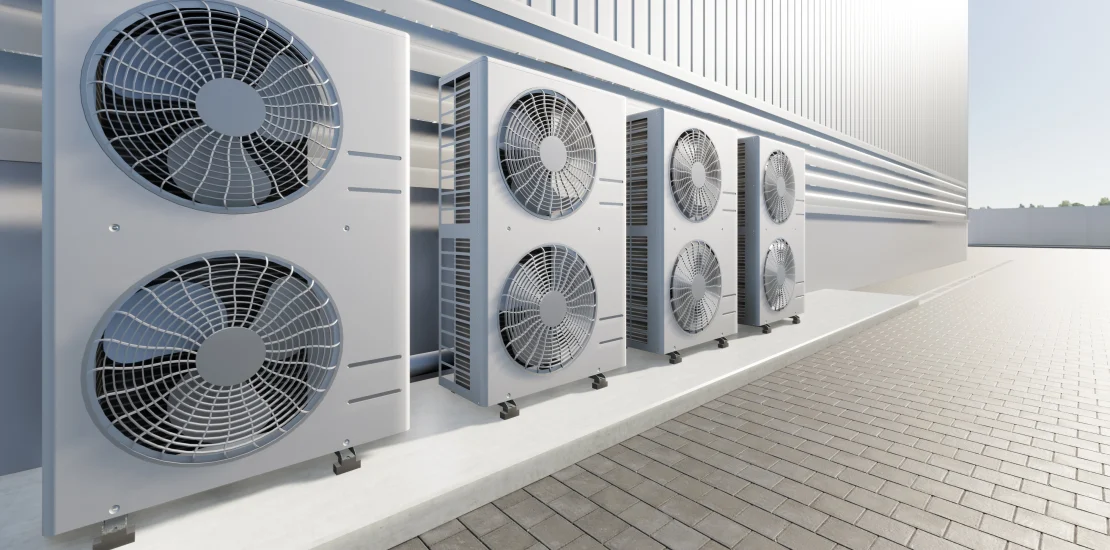
In today’s fast-paced business environment, the quest for comfort and cost-efficiency has never been more critical. As commercial workplaces evolve, energy-efficient HVAC systems emerge as essential tools for both enhancing comfort and achieving substantial savings. This ultimate guide will walk you through the key features and technologies that can optimise your climate control systems, ensuring your business not only maintains a pleasant atmosphere but also reduces its carbon footprint and operational expenses. From innovative heat pumps to intelligent thermostats, we will explore the various solutions available to meet your unique needs. Step into a world where comfort and financial prudence go hand in hand, transforming your commercial building into an energy-efficient powerhouse. Whether upgrading existing systems or investing in new installations, this guide is your roadmap to maximising comfort and savings in the UK’s ever-competitive commercial landscape.
Importance of Energy Efficiency in Commercial Buildings
In an era where sustainability and operational efficiency are paramount, the importance of energy efficiency in commercial buildings cannot be overstated. Commercial buildings, which include offices, warehouses, retail spaces, and more, account for a significant portion of global energy consumption. This energy use translates directly into operational costs, impacting the bottom line of businesses. By prioritising energy efficiency, commercial establishments can reduce their utility expenses, freeing up capital for other critical business needs.
Beyond financial considerations, energy-efficient buildings contribute to environmental sustainability. The reduction in energy consumption directly correlates with lower greenhouse gas emissions. As climate change becomes an increasingly pressing global issue, businesses are under growing pressure to adopt environmentally friendly practices. Energy-efficient HVAC systems play a crucial role in this transition, helping businesses reduce their carbon footprint and meet regulatory requirements.
Moreover, energy efficiency in commercial buildings enhances the overall comfort and productivity of occupants. A well-maintained and efficient HVAC system ensures consistent indoor temperatures and improved air quality, which are vital for the well-being of employees and customers alike. Comfortable indoor environments lead to increased productivity, reduced absenteeism, and a positive impression on clients and visitors. Thus, investing in energy-efficient HVAC systems is not only a matter of cost savings but also a strategic move towards operational excellence and environmental responsibility.
Key Features of Energy Efficient HVAC Systems
Energy-efficient HVAC systems are designed with several advanced features that distinguish them from traditional systems. One of the primary features is variable speed technology. Unlike conventional HVAC units that operate at full capacity regardless of demand, variable speed systems adjust their output based on real-time needs. This capability allows for significant energy savings, as the system only uses the power necessary to maintain the desired indoor climate.
Another critical feature is the use of high-efficiency components, such as advanced compressors and heat exchangers. These components are engineered to maximise thermal energy transfer while minimising energy loss. For instance, modern compressors are designed to operate more efficiently under varying loads, reducing the overall energy consumption of the HVAC system. Similarly, high-efficiency heat exchangers improve the system’s ability to transfer heat, further enhancing its energy performance.
Energy-efficient HVAC systems also incorporate sophisticated control systems and smart thermostats. These controls allow for precise temperature regulation and can be programmed to adjust settings based on occupancy patterns and external weather conditions. Smart thermostats can learn user preferences over time and make automatic adjustments to optimise comfort and efficiency. Additionally, many of these systems are compatible with building automation systems (BAS), enabling seamless integration and centralised control of the building’s climate control mechanisms.
Types of Energy Efficient HVAC Systems
There are several types of energy-efficient HVAC systems available, each with distinct advantages and applications. One popular option is the heat pump system. Heat pumps are highly efficient because they transfer heat rather than generating it. In cooling mode, they remove heat from the indoor air and release it outside, while in heating mode, they extract heat from the outdoor air (even in cold conditions) and bring it indoors. This dual functionality makes heat pumps an excellent choice for year-round climate control in commercial buildings.
Another type of energy-efficient HVAC system is the Variable Refrigerant Flow (VRF) system. VRF systems are known for their ability to provide precise temperature control and zoning capabilities. They use refrigerant as the cooling and heating medium, which is circulated between an outdoor unit and multiple indoor units. The system can modulate the amount of refrigerant sent to each indoor unit based on the specific cooling or heating demand of each zone, resulting in enhanced energy efficiency and comfort.
Geothermal heat pump systems represent another innovative solution. These systems leverage the stable temperatures found underground to provide heating and cooling. Geothermal systems consist of a ground loop that exchanges heat with the earth, a heat pump, and a distribution system. They are incredibly efficient because the underground temperature remains constant throughout the year, providing a reliable source of thermal energy. Although the initial installation cost can be higher, geothermal systems offer substantial long-term savings and environmental benefits.
Benefits of Upgrading to Energy Efficient HVAC
Upgrading to an energy-efficient HVAC system offers numerous benefits that extend beyond immediate cost savings. One of the most significant advantages is the reduction in energy bills. Energy-efficient systems consume less electricity, which directly translates into lower utility costs. Over time, these savings can offset the initial investment in the new system, making it a financially prudent decision for any business.
In addition to cost savings, energy-efficient HVAC systems contribute to enhanced indoor air quality and comfort. Modern systems are equipped with advanced filtration and humidity control features that improve the overall air quality within the building. This results in a healthier and more comfortable environment for employees and customers. Improved air quality can reduce the incidence of respiratory issues and allergies, leading to fewer sick days and higher productivity.
Furthermore, upgrading to an energy-efficient HVAC system can increase the value of the commercial property. Energy efficiency is an attractive feature for potential buyers and tenants, as it indicates lower operating costs and a commitment to sustainability. Properties with high-efficiency systems often command higher rental rates and sale prices. Additionally, businesses that invest in energy-efficient technologies can enhance their corporate image and reputation, positioning themselves as leaders in environmental stewardship.
Energy Efficiency Regulations and Standards
There are several regulations and standards aimed at promoting energy efficiency in commercial buildings. The Energy Performance of Buildings Directive (EPBD) is a key piece of legislation that sets out requirements for the energy performance of buildings. Under this directive, commercial buildings must have an Energy Performance Certificate (EPC) that rates their energy efficiency on a scale from A (most efficient) to G (least efficient). The EPC provides valuable information about the building’s energy use and recommendations for improvement.
The Minimum Energy Efficiency Standards (MEES) is another important regulation. MEES requires that commercial properties meet a minimum EPC rating of E before they can be leased or sold. This regulation aims to eliminate the least energy-efficient buildings from the market and encourage property owners to invest in energy improvements. Failure to comply with MEES can result in significant fines and legal repercussions.
Building regulations in the UK also set specific standards for HVAC systems. Part L of the Building Regulations focuses on the conservation of fuel and power, outlining the minimum energy performance requirements for new and existing buildings. These standards include guidelines for the installation and maintenance of HVAC systems to ensure they operate efficiently. Compliance with these regulations is essential for obtaining building permits and avoiding penalties.
Tips for Choosing the Right HVAC System for Your Commercial Building
Choosing the right HVAC system for your commercial building involves considering several factors to ensure optimal performance and efficiency. One of the first steps is to conduct a thorough energy audit of the building. An energy audit assesses the current energy consumption and identifies areas for improvement. This information is crucial for selecting an HVAC system that meets the specific needs and challenges of the building.
Another important consideration is the size and layout of the building. The HVAC system must be appropriately sized to handle the heating and cooling load of the space. An undersized system will struggle to maintain comfortable temperatures, while an oversized system can lead to inefficiencies and higher energy costs. Consulting with a professional HVAC contractor can help determine the right system size and configuration for your building.
The type of business conducted in the building also influences the choice of HVAC system. Different businesses have unique climate control requirements. For example, a data centre may need specialised cooling systems to manage heat generated by equipment, while a retail store may prioritise consistent temperature control for customer comfort. Understanding the specific needs of the business will guide the selection of an HVAC system that delivers the best performance.
Maintenance Practices for Energy Efficient HVAC Systems
Regular maintenance is essential for ensuring the longevity and efficiency of energy-efficient HVAC systems. One of the most critical maintenance practices is changing or cleaning air filters regularly. Dirty or clogged filters restrict airflow, forcing the system to work harder and consume more energy. Depending on the system and usage, filters should be checked and replaced or cleaned every one to three months.
Another important maintenance task is inspecting and cleaning the HVAC system’s components, such as coils, fans, and ducts. Dust and debris can accumulate on these components, reducing their efficiency and potentially leading to system malfunctions. Regular inspections and cleaning help maintain optimal airflow and heat exchange, ensuring the system operates at peak efficiency.
Additionally, it is crucial to schedule annual professional maintenance checks. HVAC technicians can perform comprehensive inspections, identify potential issues, and make necessary adjustments or repairs. These checks can prevent minor problems from escalating into major repairs, extend the lifespan of the system, and maintain its energy efficiency. Implementing a proactive maintenance plan is one of the best ways to protect your investment in an energy-efficient HVAC system.
Conclusion and Future Trends in HVAC Technology
As the demand for energy efficiency continues to grow, the HVAC industry is evolving rapidly with modern technologies and innovations. One of the emerging trends is the integration of artificial intelligence (AI) and machine learning in HVAC systems. These technologies enable systems to learn from user behaviour, predict maintenance needs, and optimise performance automatically. AI-driven HVAC systems can adapt to changing conditions in real-time, further enhancing energy efficiency and comfort.
Recent advancements in heat pump technologies, such as dual-source systems that combine air and ground mechanisms, promise greater efficiency and versatility. These systems can switch sources based on optimal conditions, ensuring reliable year-round heating and cooling. Additionally, there is a growing focus on renewable energy integration in HVAC systems, including solar-powered options. These innovations reduce reliance on fossil fuels, enhance sustainability, and are likely to see increased adoption as policies and incentives for renewable energy expand.
Energy-efficient HVAC systems are essential for modern commercial buildings. They offer substantial cost savings, improve indoor comfort, and support environmental sustainability. By understanding the key features, types, and benefits of these systems – along with adhering to regulations and best practices – businesses can make informed decisions that maximise comfort and savings. As technology continues to evolve, the future of HVAC promises even greater advancements, paving the way for a more energy-efficient and sustainable built environment.
For expert guidance on upgrading your HVAC system to energy-efficient solutions, reach out to SDH Building Services. Our team of professionals is dedicated to helping businesses enhance their indoor environments while reducing operational costs and environmental impact. Whether you are looking to install new systems or optimise existing ones, we can provide tailored solutions to meet your unique needs. Contact us today for a consultation and take the first step towards a more efficient and sustainable future.