
Understanding Heat Pumps and Their Energy Efficiency
- January 12, 2026
- Posted by: admin
- Category: Uncategorized
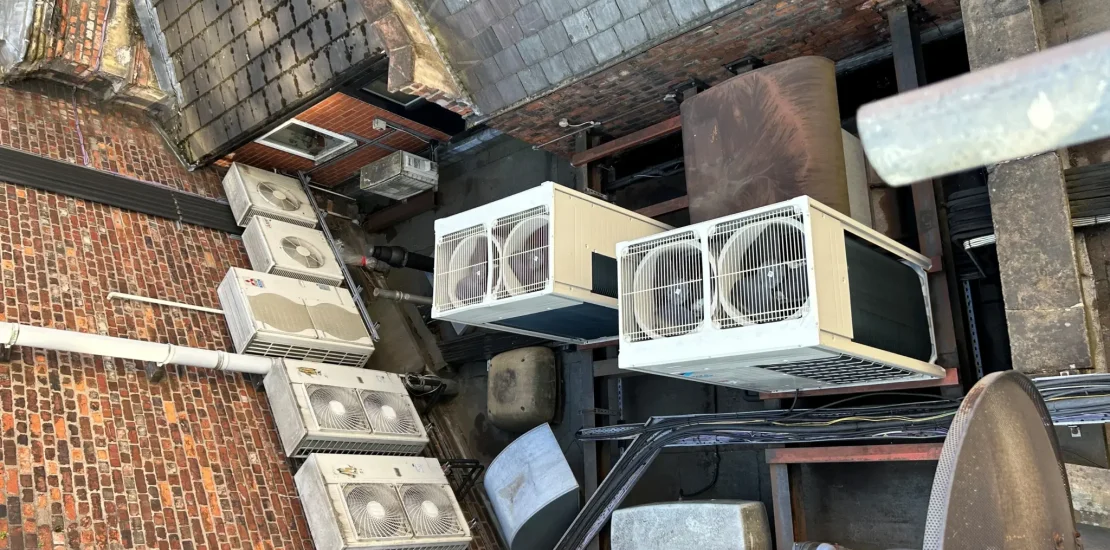
Heat pumps revolutionise heating and cooling in industrial settings by transferring heat rather than generating it through combustion or electrical resistance. They use a refrigerant to absorb heat from the surrounding environment and move it indoors or outdoors as required. In heating mode, heat is extracted from outside air, ground, or water sources and transferred indoors. In cooling mode, heat is removed from indoor spaces and released outside.
The heat pump process begins in the evaporator, where the refrigerant absorbs heat and evaporates into a gas. This gas is then compressed to raise its temperature before passing through the condenser, where heat is released into the desired space. The refrigerant then returns to a liquid state via the expansion valve, and the cycle repeats. This efficient process allows heat pumps to regulate temperatures in large industrial environments while delivering both heating and cooling with significantly lower energy consumption.
Energy efficiency is critical for industries facing rising energy costs and increasingly strict regulations. Heat pumps can achieve efficiencies of up to 400%, producing up to four units of heat for every unit of electricity consumed. This makes them an attractive solution for optimising energy use. Additionally, heat pumps support sustainability goals by reducing greenhouse gas emissions, helping organisations meet environmental responsibilities and contribute to global climate initiatives.
Key Benefits of Using Heat Pumps in HVAC Systems
Heat pumps deliver exceptional energy efficiency by harnessing renewable heat sources such as air, water, or ground energy. Unlike traditional HVAC systems that rely on fossil fuels or electric resistance heating, heat pumps reduce overall energy consumption and operational costs, leading to significant long-term savings.
Their versatility makes heat pumps suitable for a wide range of industrial and commercial applications, from manufacturing facilities to office buildings. Systems can be customised to meet specific climate control requirements, providing consistent heating and cooling throughout the year. Heat pumps can also integrate with renewable energy sources such as solar or wind power, further enhancing sustainability.
In addition, heat pumps improve indoor air quality through advanced filtration systems that remove dust, allergens, and airborne particles. This creates a healthier working environment, supports employee wellbeing, and helps organisations comply with health and safety regulations.
Comparing Heat Pumps to Traditional HVAC Solutions
Traditional HVAC systems often rely on separate units for heating and cooling, such as boilers and air conditioning systems, which typically use fossil fuels or electricity. This separation often results in higher energy consumption and operating costs.
In contrast, heat pumps integrate both heating and cooling functions into a single system, streamlining operations and improving efficiency. While conventional systems such as traditional HVAC solutions usually operate at lower efficiency levels, electric resistance heating typically achieves only 100% efficiency. Heat pumps, however, can reach efficiencies of 300–400%, making them three to four times more effective.
Heat pumps also offer advantages in maintenance and lifespan. With fewer moving parts and no combustion processes, they generally require less maintenance and experience less wear over time. This leads to lower maintenance costs and longer-lasting equipment.
Environmental Impact: Reducing Carbon Footprint with Heat Pumps
The environmental benefits of heat pumps extend well beyond energy efficiency. By significantly reducing reliance on fossil fuels, heat pumps help lower greenhouse gas emissions and play a key role in combating climate change. This is particularly important for industrial sectors, which are often major contributors to carbon emissions.
Heat pump technology enables industrial facilities to reduce their environmental impact while maintaining reliable heating and cooling. When combined with renewable energy sources such as solar panels or wind turbines, heat pumps can operate almost entirely on clean energy, maximising efficiency and sustainability.
Adopting heat pumps also helps businesses comply with increasingly strict environmental regulations. Investing in this technology demonstrates a proactive approach to sustainability, helping organisations avoid penalties while strengthening their reputation as environmentally responsible businesses.
Future Trends in HVAC Technology and Heat Pumps
The future of HVAC technology will be heavily influenced by continued innovation in heat pump systems. Advanced solutions such as variable refrigerant flow (VRF) technology allow precise control of heating and cooling by adjusting refrigerant flow based on specific requirements within a facility.
Smart technology integration is another major trend. Sensors and intelligent control systems enable real-time monitoring, performance optimisation, and predictive maintenance, helping businesses reduce energy usage and improve system reliability.
Hybrid heat pump systems are also gaining popularity. These combine traditional heating methods with heat pump technology, offering flexibility in colder climates where auxiliary heating may be required. Hybrid systems ensure consistent performance across diverse geographical regions.
To fully benefit from these advancements, working with experienced professionals is essential. At SDH Building Services, we provide expert guidance on modern HVAC solutions, including mechanical services and commercial plumbing and heating maintenance to support industrial applications.
Challenges and Considerations When Switching to Heat Pumps
Despite their many benefits, switching to heat pumps does present challenges. Initial installation costs can be higher than those of traditional HVAC systems due to specialised equipment and design requirements. However, long-term energy savings and reduced maintenance costs often offset this investment.
Accurate system sizing and design are critical. An undersized heat pump may struggle to meet heating and cooling demands, while an oversized system can lead to inefficiencies and increased wear from frequent cycling. Partnering with experienced HVAC professionals ensures optimal performance.
Environmental conditions must also be considered. In extremely cold climates, air-source heat pumps may experience reduced efficiency, making hybrid systems or ground-source heat pumps a more reliable option, albeit with higher upfront costs.
Conclusion: Embracing Heat Pumps for Sustainable Industrial HVAC Solutions
Heat pumps represent a transformative solution for industrial HVAC systems. Their high efficiency, adaptability, and environmental benefits make them an ideal choice for organisations seeking to reduce costs and carbon emissions while maintaining reliable climate control.
As demand for energy-efficient technologies continues to grow, heat pumps will play an increasingly important role in industrial HVAC strategies. Advances in smart systems, hybrid designs, and renewable energy integration promise even greater efficiency and flexibility.
For expert advice and tailored heat pump solutions, contact SDH Building Services. We also offer comprehensive commercial air conditioning systems and ventilation services, providing a complete approach to your HVAC needs.
Transitioning to heat pumps is more than a technological upgrade—it is a strategic move toward a sustainable and resilient industrial future. By adopting heat pump systems, industries can support global climate goals, reduce operational costs, and help build a cleaner, more efficient industrial sector.